Is there dental treatment relief under PIT?
There is no dental treatment relief under PIT: the Personal Income Tax Act does not allow deductions for appointments, fillings, root canal treatment, implants or dentures as dental services. The only route is rehabilitation relief (ulga rehabilitacyjna) under art. 26 ust. 1 pkt 6, for taxpayers with disabilities or taxpayers who support a person with a disability.
The expenses covered by this relief form a closed list in art. 26 ust. 7a. In a ruling of 12 May 2025, the Director of Krajowa Informacja Skarbowa (KIS, Poland’s National Revenue Information service) stressed that only expenses on this list are deductible. A 2026 ruling added that incurring treatment costs is not enough in itself to qualify.
The relief reduces taxable income, rather than the tax itself, so the actual benefit depends on your tax rate. These rules reflect the legal status as of 24 October 2026 (PIT Act, consolidated text Dz.U. 2026 poz. 592; later amendments did not affect art. 26). This article is not tax advice; consult a tax adviser about your individual circumstances.
Who can claim rehabilitation relief for dental expenses?
You can claim rehabilitation relief if the person concerned holds a certificate assigning one of Poland’s three degrees of disability, a decision awarding a pension for total or partial incapacity for work, a training pension or a social pension, or, for a child under 16, a disability certificate (art. 26 ust. 7d).
A taxpayer who supports a person with a disability may also deduct that person’s expenses, for example the mother of an adult son with a severe disability, as in the KIS ruling of April 2026. The supported person must belong to tax group I under the Inheritance and Gift Tax Act in relation to the taxpayer or the taxpayer’s spouse, or be someone else’s child taken in to be raised by the taxpayer or their spouse. Their income in the tax year must not exceed twelve times the social pension in force in December of that year (art. 26 ust. 7e). Certain benefits do not count towards this limit, including the care allowance (zasiłek pielęgnacyjny), the supplementary benefit (świadczenie uzupełniające) and the thirteenth and fourteenth pension payments; the same provision gives the full list.
This relief cannot reduce business income taxed at the flat rate of 19%: the closed list of deductions in art. 30c ust. 2 does not include it. Nor can you deduct expenses funded by NFZ, Poland’s National Health Fund, PFRON, the State Fund for Rehabilitation of Disabled Persons, a company rehabilitation fund or a social benefits fund, or reimbursed in another way. If funding covers only part, you deduct the difference (art. 26 ust. 7b).
Can implants and dentures qualify for rehabilitation relief?
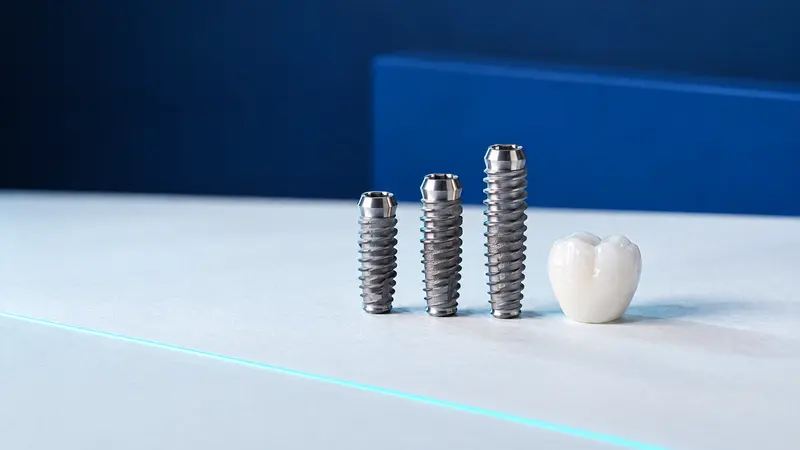
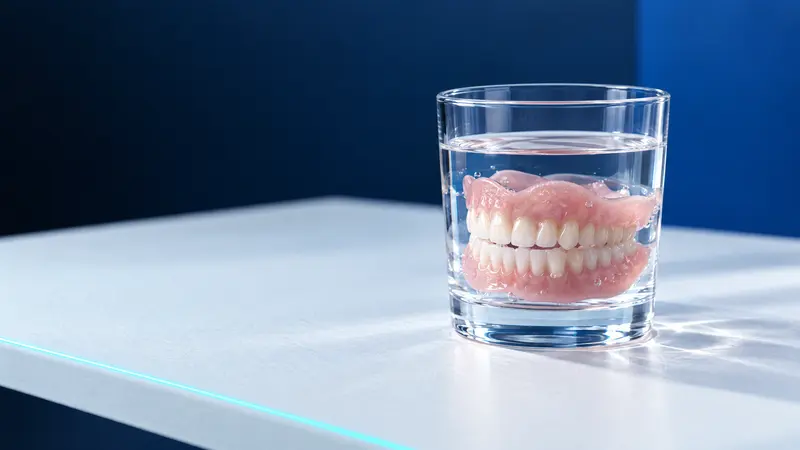
Implants, dentures or crowns are deductible only if the tax authority accepts them as individual equipment or devices necessary for rehabilitation and making everyday activities easier, according to needs arising from the disability (art. 26 ust. 7a pkt 3). What matters is a documented link between the restoration and the disability, rather than its price or the fact that it was needed.
Rulings by the Director of KIS have gone both ways. On 12 May 2025, a deduction for extraction, 10 implants and bridges was refused to a person with a moderate disability because their dental condition was unrelated to the disability, and implants and bridges are not medical devices on the reimbursement list (art. 26 ust. 7a pkt 2a).
On 14 April 2026, KIS allowed a mother to deduct a lower denture on 2 implants for her adult son with a severe disability, as recommended by a specialist. Another 2026 ruling accepted implant-supported crowns, a 3D scan and impressions for a patient following partial removal of the mandible for cancer, because they restored chewing and speech. The table summarises these rulings.
| Expense | Deductible? | Condition or reasoning |
|---|---|---|
| Appointment, filling, root canal treatment, professional cleaning | No | Dental treatment services are not on the list in art. 26 ust. 7a |
| Implants for someone without a disability certificate | No | Relief applies only to people under art. 26 ust. 7d and taxpayers supporting them |
| Implants and bridges, tooth loss unrelated to disability | No | KIS, 12 May 2025, sygn. 0115-KDIT2.4011.185.2025.1.MM |
| Denture on 2 implants, severe disability | Yes, in this case | Specialist recommendation, no funding; KIS, 14 April 2026 |
| Implant-supported crowns after mandibular resection for cancer | Yes, in this case | Maxillofacial surgeon’s prescription, restoring chewing and speech; KIS, 2026 |
| Porcelain crowns and metal framework denture | No, in this case | No specialist medical certificate; KIS, 6 February 2026 |
| Medicines used because of a disability | Partly | Monthly expenditure above 100 zł, if a specialist recommended their use |
Are braces tax deductible?
There is no separate tax relief for braces. Any deduction under rehabilitation relief requires meeting the conditions of a specific item in art. 26 ust. 7a and showing that the expense is linked to the disability. The KIS ruling of 6 February 2026 (sygn. 0112-KDSL1-2.4011.745.2025.2.PR) concerned porcelain crowns and a metal framework denture, not braces, so it does not settle whether braces can be deducted. In it, the Director of KIS refused the deduction because the person with a disability had no specialist medical certificate linking these expenses to needs arising from that disability.
The authority considered that these services improved living standards and that tax relief must not be interpreted broadly. The practical point for people with disability certificates is this: if braces, dentures or crowns relate to your disability, a specialist should confirm that link in writing, preferably before you incur the expense. KIS rulings repeatedly mention these conditions:
- A disability certificate or pension decision covering the period when the expense was incurred.
- A specialist recommendation or certificate linking the restoration to the disability.
- A named invoice or another document showing the buyer, seller, type of service and amount paid.
- No funding or reimbursement from NFZ, PFRON or other sources listed in art. 26 ust. 7b.
- Payment from your own funds in the tax year for which you claim the relief.
Dental invoices: when do you need one and how do you request it?
Rehabilitation relief requires a document showing the buyer’s and seller’s details, the type of service and the amount paid (art. 26 ust. 7 pkt 4 of the PIT Act). A receipt without the buyer’s details does not contain this information, so ask for an invoice in your name for any expense you intend to deduct.
For VAT-exempt sales, the practice need not issue an invoice on its own initiative, but it must do so at your request. You must request it within 3 months of the end of the month in which the service was provided or payment received (art. 106b ust. 2 i ust. 3 pkt 2 of the VAT Act). The VAT exemption for medical services itself applies only when the conditions of art. 43 of the VAT Act are met.
Have the invoice made out to the person paying and claiming the deduction. In the 2026 implant-supported crowns case, KIS noted that the taxpayer held named invoices showing the seller, buyer, service and amount paid, as well as medical records confirming the need for treatment.
Are dental services exempt from VAT?
Dental services are exempt from VAT if they constitute medical care intended to prevent disease or maintain, save, restore or improve health. The exemption covers such services provided as healthcare activities by healthcare entities (art. 43 ust. 1 pkt 18 of the VAT Act) and in the practice of dentistry (pkt 19).
That is why a dental invoice usually shows no VAT amount and the listed price is the price paid by the patient. VAT exemption is separate from rehabilitation relief: it concerns the practice’s accounts, rather than your PIT return. The consolidated VAT Act is Dz.U. 2026 poz. 1263.
Can dental treatment be claimed as a business expense?
Dental treatment generally cannot be claimed as a business expense. A deductible business expense must be incurred to earn income or preserve or secure its source (art. 22 ust. 1 of the PIT Act), whereas tax authorities treat dental treatment as a personal expense. In a ruling of 2 July 2025, reported by the training service Akademia LTCA, the Director of KIS rejected implant reconstruction as an expense for a legal adviser, although the taxpayer cited professional appearance.
The authority stated that restoring teeth matters for health regardless of whether someone runs a business. An individual tax ruling applies only to the applicant and the facts they describe, so other people’s rulings offer guidance rather than a basis for your tax return.
Treatment plans and invoices at DentalBlue
At DentalBlue in Białystok, “Wizyta bez bólu” (visit without pain, 300 zł in the clinic’s price list) includes a panoramic X-ray, consultation, examination and written treatment plan with stage prices, helping you spread expenses over time. The clinic’s own radiology unit takes images from panoramic X-rays to CBCT scans. The price list gives “Wszczepienie implantu” (implant placement) at 3 500 zł and “Proteza na 2 implantach” (denture on 2 implants) at 10 000 zł. The final scope and cost are agreed at consultation, and prices may change. Ask for an invoice in your name when paying; eligibility for tax relief is decided by the tax office, rather than the practice.
Frequently asked questions
Can I deduct dental treatment for a child with a disability certificate?
Only expenses on the list in art. 26 ust. 7a, such as an individual device needed because of the disability, rather than ordinary dental treatment. A child under 16 must have a disability certificate, and the parent supporting the child claims the deduction. A specialist should confirm the link to the disability.
Is a dental receipt enough for rehabilitation relief?
Usually not. The PIT Act requires a document showing the buyer, seller, service and amount paid (art. 26 ust. 7 pkt 4). A receipt without the buyer’s details does not provide this, so request a named invoice; the practice issues one if requested within 3 months of the end of the month when the service was provided.
Can medicines prescribed by a dentist be deducted?
A person with a disability may deduct monthly medicine expenditure above 100 zł if a specialist determines that they should use the medicines permanently or temporarily (art. 26 ust. 7a pkt 12). People without a disability certificate or pension cannot claim this relief.
Can travel to the dentist be deducted?
A person with a disability or a taxpayer supporting them may deduct up to 2 280 zł annually for using their own passenger car (art. 26 ust. 7a pkt 14), without documenting expenses. People in disability group I or II and children with disabilities up to age 16 can also deduct paid transport by means other than an ambulance (pkt 13).
Does someone else’s tax ruling protect me?
No. An individual ruling by the Director of KIS applies only to the applicant and the facts they describe, and ceases to be relevant if the facts differ. The rulings in this article illustrate the approach but do not determine the outcome; before filing, you can request your own ruling or consult a tax adviser.
Sources
- Sejm: Ustawa o podatku dochodowym od osób fizycznych, t.j. Dz.U. 2026 poz. 592 (art. 22, 26, 30c)
- Sejm: Ustawa o podatku od towarów i usług, t.j. Dz.U. 2026 poz. 1263 (art. 43, 106b)
- Inforlex: Individual ruling by the Director of KIS of 12 May 2025, sygn. 0115-KDIT2.4011.185.2025.1.MM
- Inforlex: Individual ruling by the Director of KIS of 14 April 2026, sygn. 0112-KDSL1-2.4011.105.2026.2.JN
- KIS: Individual ruling of 6 February 2026, sygn. 0112-KDSL1-2.4011.745.2025.2.PR
- infoDENT24: Implant-supported crowns under rehabilitation relief, KIS ruling 0114-KDIP3-2.4011.321.2026.4.JK3 (2026)
- Akademia LTCA: Can dental expenses qualify as deductible business expenses (2025)
An informational article. It does not replace a consultation, and treatment decisions are made during a visit.