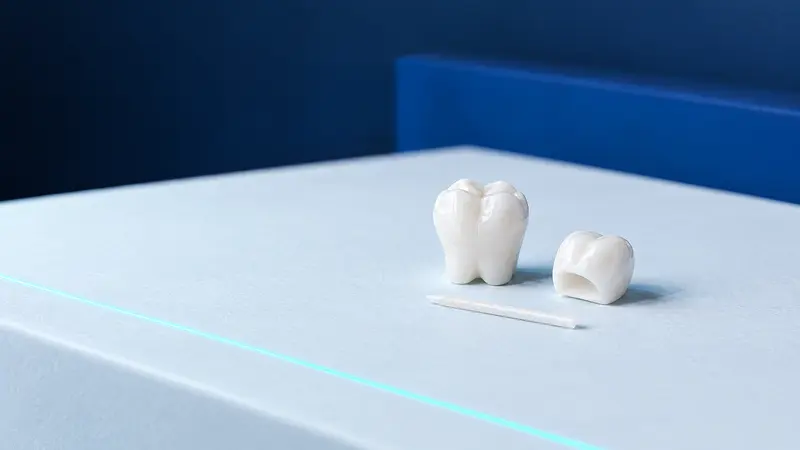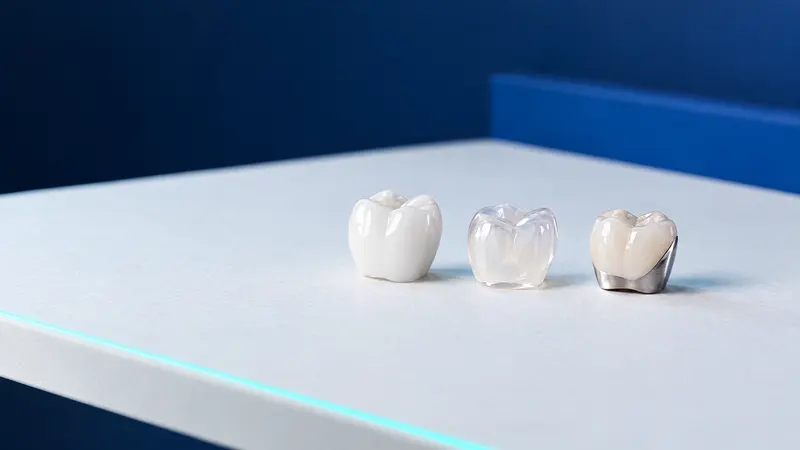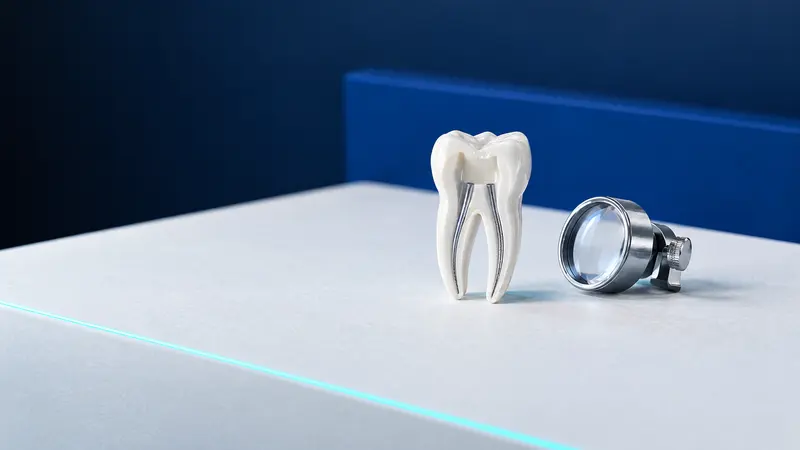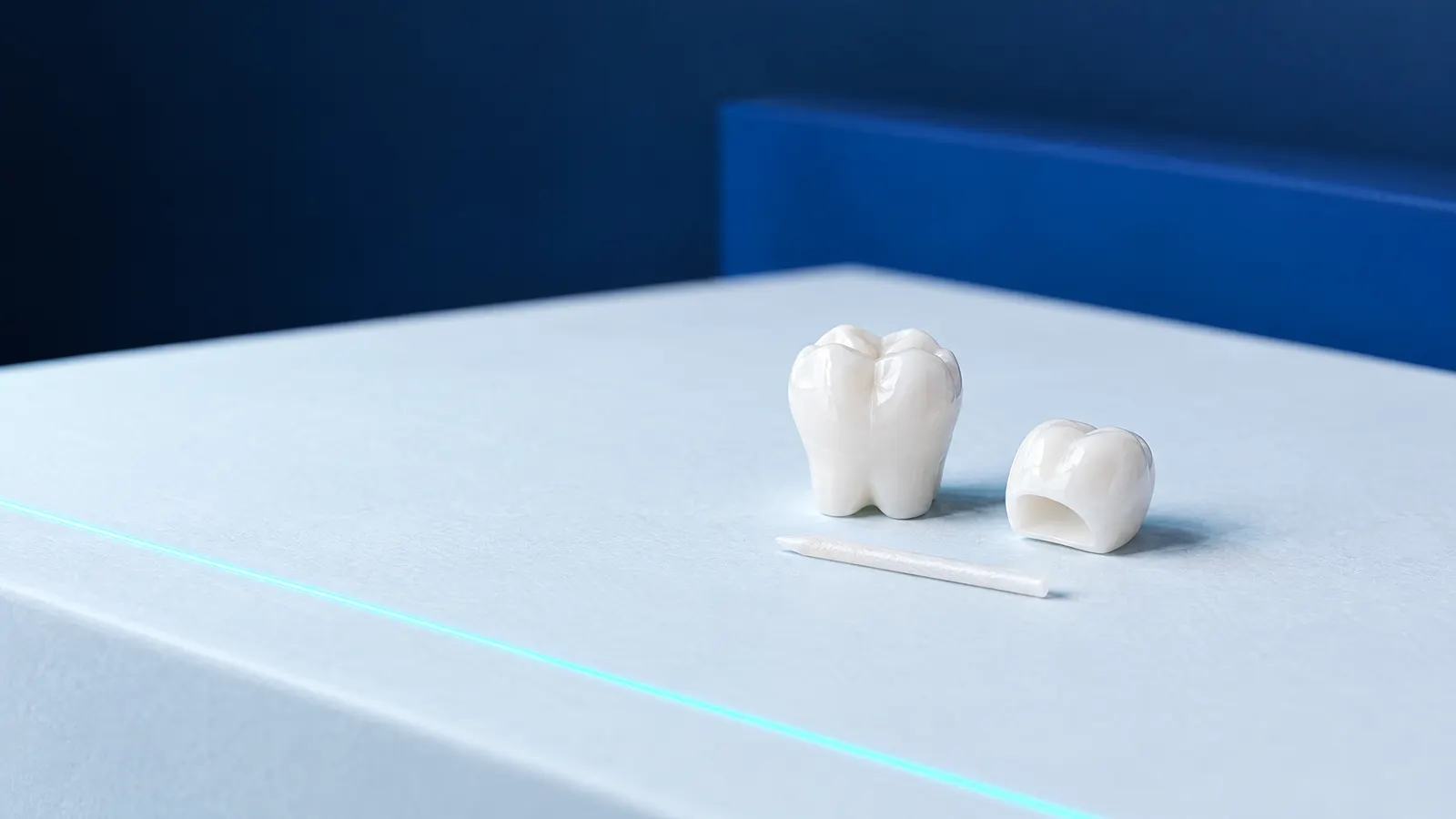
The post, core build-up and crown are different components
Part of the post-and-core sits in a prepared space in the root canal, while the part above the gum supports the restoration. A dental crown is the outer restoration that recreates the shape of the tooth. These terms can therefore appear together in a treatment plan.
A post-and-core should not be confused with an inlay or onlay. Inlays and onlays restore part of the tooth's crown; their names do not mean a component is placed in the root canal.
Why a post is not needed after every root canal treatment
The European Society of Endodontology's position statement emphasises that a post retains the core build-up rather than making the root stronger. The amount and distribution of the remaining tooth tissue remain central to the decision.
It is useful to ask ‘What will retain the core build-up?’ alongside ‘Do I need a post?’ Two teeth that have both had root canal treatment do not necessarily need the same type of restoration.
What the dentist assesses before restoring the tooth
The plan should take account of the root canal treatment, the remaining tissue, any cracks and whether a well-sealed restoration margin can be achieved. If root canal retreatment is needed first, the order of the work may change.
- Can the tooth be kept, and what are the limitations?
- How much natural tooth remains above the gum?
- Is root canal treatment or retreatment needed before restoration?
- Which final restoration is proposed, and why?
Glass fibre or metal: consider more than the material
The material alone does not determine whether a tooth can be restored. Ask why the dentist recommends a particular type of post, what its limitations are and how it fits into the plan for the whole tooth.
Do not compare a custom-made post-and-core with a build-up using a prefabricated post solely by name and price. Estimates may include different work, different stages and a different final restoration. No material guarantees that the tooth will be retained.
Can a post make root canal retreatment more difficult?
The post may need to be removed to gain access to the canals. The AAE describes dismantling the crown, post and core as one possible stage of retreatment. This does not mean every post must be removed.
If you have records of your previous treatment, show them before new work is planned. Also ask whether the existing crown can be kept and which uncertainties will remain until treatment begins.
What the post price means in DentalBlue's price list
The published price list includes ‘Tooth restoration with a glass fibre post’ at 1 000 zł. There are also separate prosthetic items for posts-and-cores. These names should be read alongside the scope of your individual plan.
Do not assume one item covers root canal treatment, the post-and-core and the entire crown together. Ask for a breakdown of the stages and what each amount includes. Prices may change; the clinic confirms the current scope.
Frequently asked questions
Does a post strengthen the root?
It should not be regarded as reinforcement for the root. Its main role is to retain the core build-up when too little of the tooth's crown remains.
Does every root-filled tooth need a post?
No. The condition of the individual tooth and the planned restoration determine whether one is needed.
Is a post-and-core the same as a crown?
No. The post-and-core supports the restoration, while the crown recreates the outer part of the tooth.
Does a post have to be removed for root canal retreatment?
Sometimes, to allow access to the canals. The dentist assesses whether this is possible and the risks involved.
Sources
An informational article. It does not replace a consultation, and treatment decisions are made during a visit.