What the splinting function means
Questions about dentures often focus on how many teeth are missing. With a splinting partial denture, there is also the question of how to design support and stabilisation for the teeth that remain. This is a clinical and design decision, rather than a choice of a ready-made model from a catalogue.
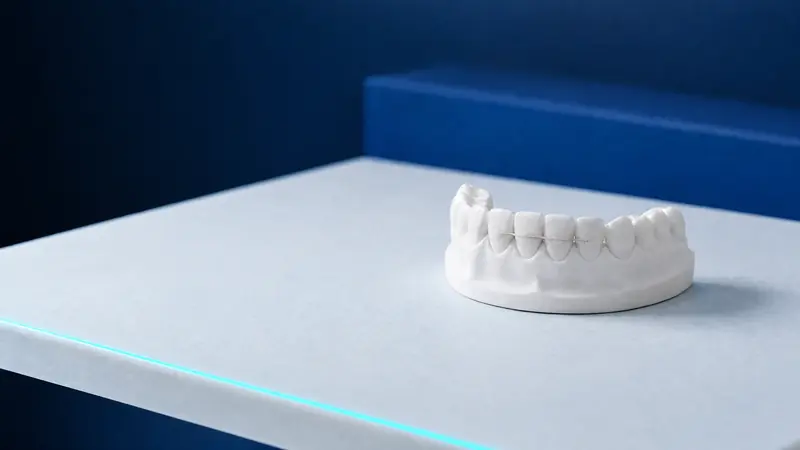
Tooth splinting and a splinting partial denture are not interchangeable terms. A splint can connect teeth without replacing any missing ones; a splinting partial denture also replaces missing teeth. The dentist should explain the precise design being proposed.
First establish why the teeth are loose
A loose tooth needs to be examined. Feeling that it is more stable does not in itself show that inflammation is under control. If advanced periodontitis is the underlying problem, the restoration must form part of a wider treatment plan.
The EFP guideline for stage IV periodontitis describes coordinated periodontal treatment and prosthetic rehabilitation. For patients, this means establishing the sequence: what needs treating first, what will be temporary and when the final restoration can be made.
What to ask before a splinting partial denture is made
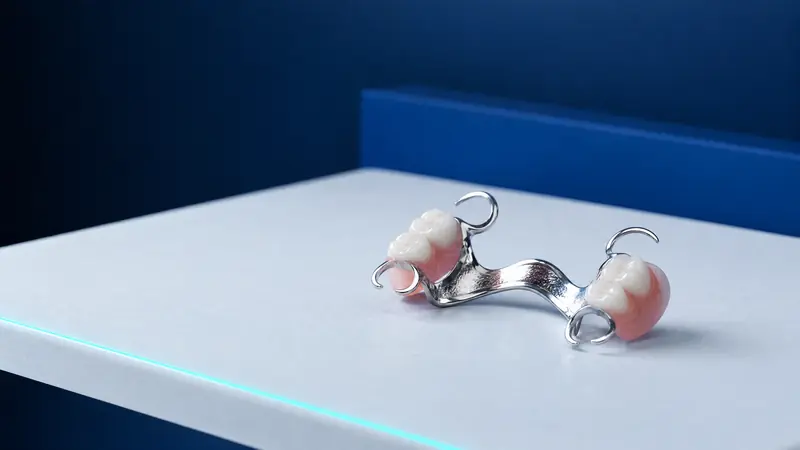
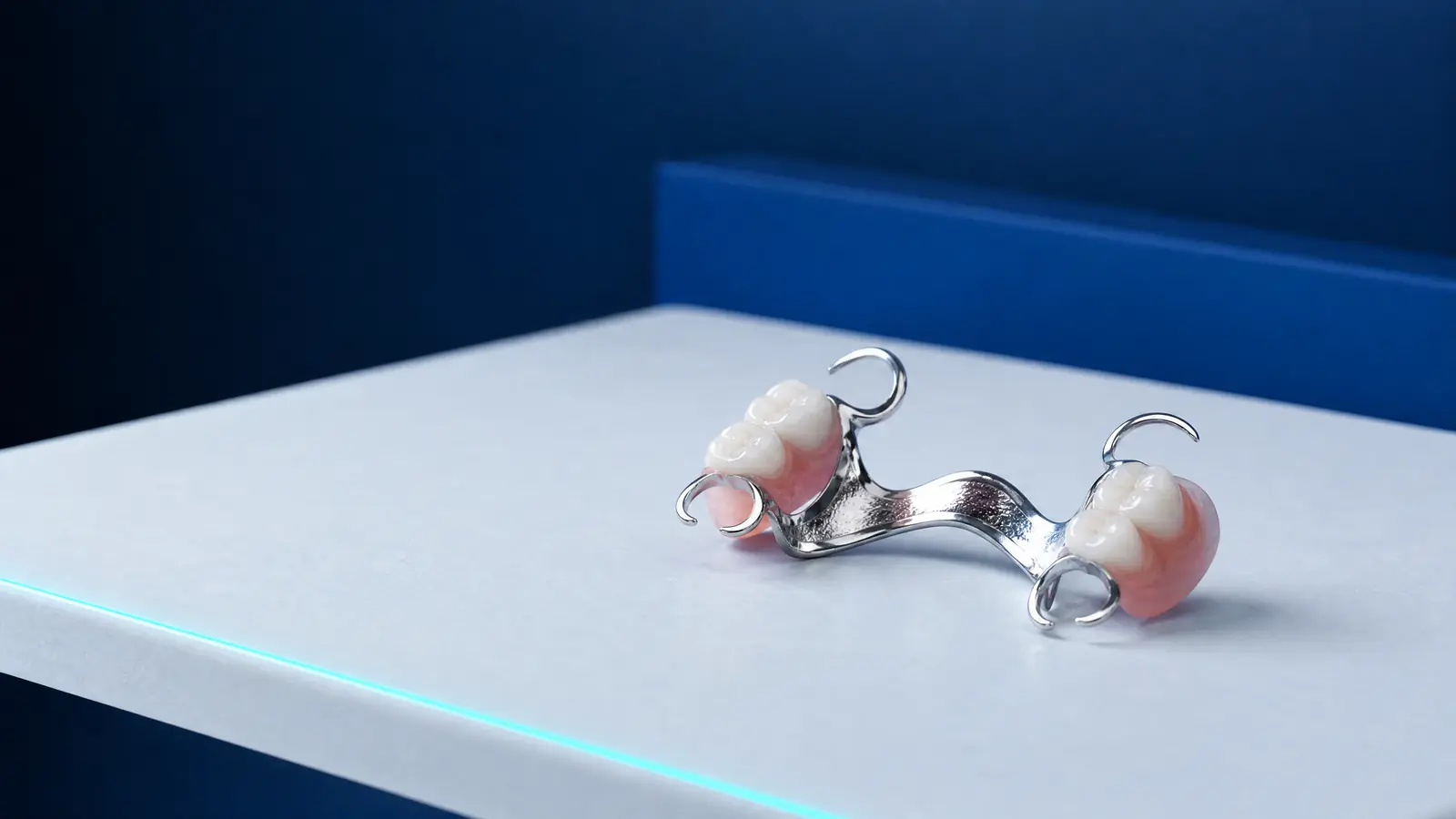
Being told that a denture will ‘hold the teeth in place’ is not enough. Ask to be shown which teeth it will rest on and how the design is intended to work during chewing and when removing the denture.
- Which teeth will provide support, and what is their prognosis?
- Does inflammation need to be treated first?
- How will I insert, remove and clean the denture?
- What happens to the design if I lose another tooth in future?
- How often should I attend follow-up visits?
Daily hygiene is part of the plan
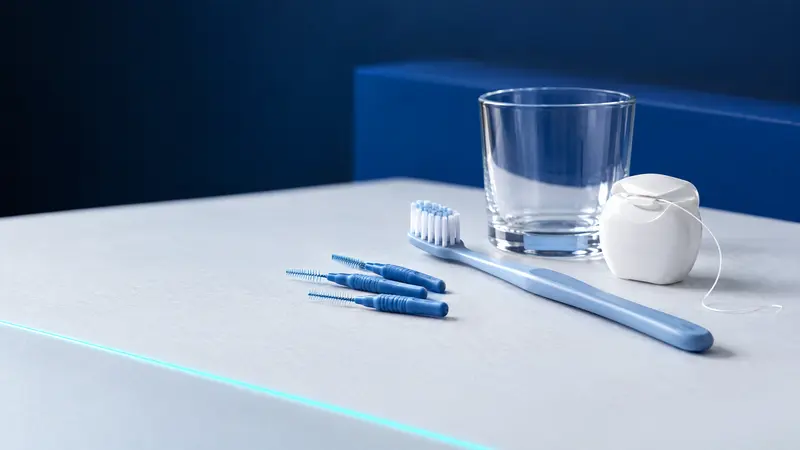
Ask for practical instructions using your own denture. It should be clear which surfaces to clean after removing it and how to reach the teeth and spaces beneath its components.
Wearing and storage instructions must take the particular design into account. Do not adjust clasps yourself or file down areas that rub. Report the problem for adjustment instead of trying to put up with a worsening sore.
When to contact the clinic before your planned follow-up
New symptoms, a noticeable change in fit, damage to the denture or a denture sore warrant earlier contact. This does not automatically mean a new denture is needed: the cause must first be established.
Increasing swelling, fever or severe pain require urgent assessment. Difficulty breathing or swallowing calls for emergency help rather than waiting for a routine prosthetic appointment.
Splinting partial dentures in DentalBlue's price list
DentalBlue's published price list has a separate item for a splinting partial denture at 3 500 zł. This is information about a price-list item; it does not confirm that this type of denture suits your situation or that the price includes all earlier treatment stages.
Bring your existing denture and records of periodontal treatment to the consultation in Białystok. Ask for preparatory treatment, making the denture and subsequent follow-up visits to be listed separately.
Frequently asked questions
Does a splinting partial denture treat periodontitis?
No. It may form part of rehabilitation, but it does not replace control of gum disease and ongoing care.
Can every loose tooth be kept this way?
No. After an examination, the dentist assesses the prognosis and whether the tooth can be used for support.
Is a splinting partial denture the same as an occlusal splint?
No. An occlusal splint and a splinting partial denture have different purposes. A splinting partial denture replaces missing teeth and provides stabilisation.
Can I bend a clasp myself?
Do not do this. An unsupervised adjustment can damage the denture or change how forces act on it; report the problem to your dentist.
Sources
An informational article. It does not replace a consultation, and treatment decisions are made during a visit.