How do you prepare a child for dental treatment under general anaesthesia, step by step?
Preparing a child for dental treatment under general anaesthesia comes down to a few simple steps spread over the days before the procedure, the morning itself and the first 24 hours afterwards. Most of them are carried out by the parent, and all of them start with the qualification consultation, at which the anaesthesiologist assesses the child's health and gives instructions.
- At the consultation, tell the doctor about your child's illnesses, medicines, allergies and previous anaesthetics, then ask about anything you do not understand.
- Have the tests the anaesthesiologist asks for done, and hand in the results before the procedure date.
- Start talking to your child about it with as much notice as suits their age.
- Over the last 2 weeks, watch for a cough, a runny nose or a fever, and report them to the clinic.
- Write down the time of the last meal and the last drink given by the anaesthesiologist, and set a reminder.
- Plan for the procedure day and the following day at home, without nursery or school.
How many hours before general anaesthesia must a child not eat or drink?
A child has no solid food for 6 hours before the anaesthetic, no formula or cow's milk for 4 hours and no breast milk for 3 hours, and may drink water and other clear drinks until 1 hour before it starts. This is the “6-4-3-1” rule from the 2022 guidelines of the European Society of Anaesthesiology and Intensive Care (ESAIC).
The break from eating protects against aspiration of stomach contents during sleep. The 2023 guidelines of the American Society of Anesthesiologists estimate it in children at about 1.3 cases per 10,000 anaesthetics, and keeping to the break is meant to keep that risk low.
Facilities use their own protocols, sometimes more cautious than the guidelines, so the times given by the anaesthesiologist at the qualification consultation are the ones that apply. If your child eats something after the set time, tell the team: the procedure may be moved, but keeping quiet about it puts the child at risk.
| What the child eats or drinks | Last time before the anaesthetic | Notes |
|---|---|---|
| Solid food | 6 hours | A light breakfast is sometimes allowed until 4 hours before, only on the anaesthesiologist's instruction |
| Formula and cow's milk | 4 hours | This also applies to a bottle of milk at night and in the morning |
| Breast milk | 3 hours | The American (ASA) guidelines give 4 hours |
| Water and other clear drinks | 1 hour | The guidelines encourage drinking until then, so that the child is not thirsty |
How do you talk to a child about dental treatment under general anaesthesia?
Talk to a child about dental treatment under general anaesthesia honestly, briefly and at a time suited to their age. British hospital guidance for parents says that a child aged 2 to 3 is prepared the day before, a child aged 4 to 7 from 4 to 7 days before, and an older child from the moment the decision about the procedure is made (University Hospitals Birmingham, 2026).
Say what will happen, rather than repeating what your child should not be afraid of. A simple description is enough: “You will go into a special sleep, the doctor will be with you the whole time, and when you wake up your teeth will be done.” Ask at the consultation whether you can be there as your child falls asleep before you promise anything.
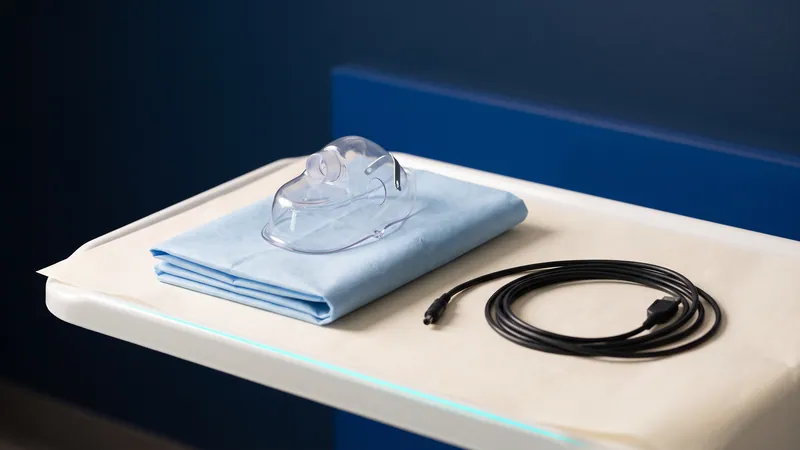
Play and books help: holding the mask to a soft toy, counting a doll's teeth, watching a short film about anaesthesia for children together. Avoid frightening your child, promising that they will not feel a thing, and words they know from other people's stories, such as injection or pulling a tooth out.
Older children and teenagers usually want the details: whether there will be a needle, how long the sleep will last, how they will feel on waking. The anaesthetic usually starts with a gas mask or with a cannula, before which the skin is numbed with cream, and the method is agreed with the anaesthesiologist. Let your child put these questions to the doctor themselves.
What to bring on the day of the procedure?
On the day of the procedure you will need documents, things that make your child feel safe and something for the time after waking. Pack them the evening before, so that you are not hunting for anything in the morning with a hungry child.
- The disability certificate or medical opinions, if the treatment is to be funded by the NFZ (Poland's National Health Fund), and the results of the tests ordered.
- A list of the medicines your child takes, noting when the last dose was given.
- A favourite toy, blanket or cuddly toy your child can fall asleep with.
- Comfortable clothes and a spare set in case of vomiting or spills.
- A drink and a soft snack for after the procedure, once the team allows your child to eat.
- A book or a quiet game for the wait.
What if a child has a runny nose before general anaesthesia at the dentist?
A runny nose, cough or fever before general anaesthesia at the dentist must be reported to the clinic before the procedure day, because an acute respiratory infection is one of the typical reasons for postponing a planned anaesthetic. Whether the procedure goes ahead is decided by the anaesthesiologist.
British hospital guidance asks parents to get in touch if a cough or cold appears within 2 weeks before the procedure, or diarrhoea or vomiting within a few days before it (King's College Hospital, 2025). Moving the date for such a reason is not a failure but a way of making sure the sleep goes smoothly.
Acute inflammation of a tooth is a different situation. If your child has pain or swelling from a tooth, do not put off contacting the clinic until the planned date, and if swelling makes breathing or swallowing difficult, call 112, the emergency number.
How does a child wake up after general anaesthesia?
A child usually wakes up after general anaesthesia drowsy, sometimes tearful, agitated or disoriented, and this is a common, passing state, not a sign of a complication. Agitation on waking happens particularly in children aged 1 to 6, and how often it occurs depends on the anaesthetic technique.
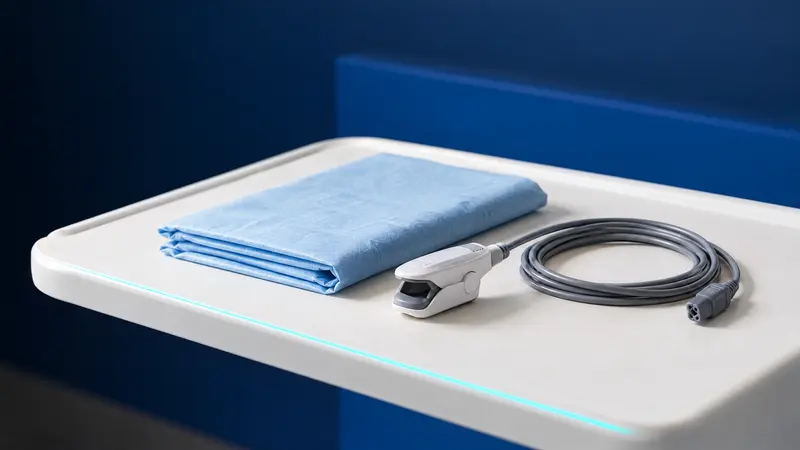
After waking, the child stays under the observation of staff who monitor breathing, pulse and oxygen saturation. Most children go home the same day, after a few hours of observation, once the team judges that they have fully recovered.
On the first day a child may not want to eat, may be drowsy, may complain of a sore throat or of pain where teeth were treated, and may have bleeding gums. In a study of 90 children, 86% of parents reported difficulty eating, 71% drowsiness, 48% pain and 40% bleeding; by the third day only 33% of children had any complaint at all (Farsi et al., 2009).
Temporary changes in behaviour, such as clinging to a parent, poorer sleep or bedwetting, are common after anaesthesia in children and usually pass quickly.
What to do in the first 24 hours after general anaesthesia at the dentist?
The first 24 hours after general anaesthesia at the dentist are a time to rest at home under an adult's eye. The child does not go to nursery or school that day, and British hospital guidance also plans for the following day at home (King's College Hospital, 2025).
- Start with small sips of drink and, when your child feels like it, offer soft food, especially after extractions.
- Have children's painkillers ready at home and give them as the doctor advised at discharge.
- A single bout of vomiting after getting home can happen, one family in four reports it on the first day; give fluids in small amounts then.
- Bleeding from the socket of an extracted tooth is stopped by pressure from a folded gauze swab or a clean tissue that your child bites on.
- Put off cycling, scooters and games that need balance until the next day.
When to call the clinic, and when to call 112?
Call the clinic when something differs from the course described above, and call 112 when your child has trouble breathing or is hard to wake. Hospital guidance for parents lists prolonged bleeding, severe swelling and severe pain as reasons to get in touch (King's College Hospital, 2025).
- Bleeding that does not stop despite pressure with a gauze swab: call the clinic.
- Severe or increasing swelling, or severe pain that the recommended medicines do not ease: call the clinic.
- Your child will not drink for many hours, vomits repeatedly, or a fever does not pass after the first 24 hours: call the clinic.
- Difficulty breathing, wheezing or blue lips: call 112.
- Swelling of the neck or the floor of the mouth with difficulty swallowing or speaking: call 112 or go to the hospital emergency department (SOR).
- Very heavy drowsiness from which it is hard to wake your child, or seizures: call 112.
How it works at DentalBlue
At DentalBlue in Białystok, preparing a child begins with a joint dental and anaesthesiology consultation: a panoramic X-ray on site, a history taken with the parents, the medicines the child takes and test results. At this visit the anaesthesiologist gives the times of the last meal and the last drink, and the procedure date is set only afterwards. A parent is present as the child falls asleep, and an anaesthesia nurse watches over the child from induction to full wake-up. Before and after the procedure you can call Monika Gosiewska (pre- and post-operative care, 606 983 347) and Anita Alińska (patient contact, 539 231 949) directly.
Frequently asked questions
Can a child take their regular medicines on the day of general anaesthesia?
It depends on the medicine, and the decision is made by the anaesthesiologist at the qualification consultation. Bring a full list of medicines and do not stop or give anything on your own initiative. If a medicine is to be given in the morning, the anaesthesiologist will tell you how to fit it in with the break from eating and drinking.
How long does a child's dental treatment under general anaesthesia take?
The time depends on the scope of treatment. In a study of 595 children treated under general anaesthesia as day cases, the procedure itself lasted 64.7 minutes on average, with wide variation between children. On top of that come the preparation time and a few hours of observation after waking.
Can I give my child milk in the morning before general anaesthesia?
Only if the set time allows it. Under the ESAIC guidelines a child has formula or cow's milk for the last time 4 hours before the anaesthetic, and breast milk 3 hours before it. The times given by the anaesthesiologist, however, are what decide.
When can a child eat after general anaesthesia at the dentist?
Drinking first, then eating. When the team allows it, give fluids in small sips, then soft food, especially after extractions. Loss of appetite on the first day is common, and in most children the complaints pass by the third day.
Sources
- Frykholm P et al., European Journal of Anaesthesiology: ESAIC guidelines on fasting in children (2022)
- Özgen ZSŞ, Turkish Journal of Anaesthesiology and Reanimation: a review of the ESAIC 2022 guidelines (2022)
- Joshi GP et al., Anesthesiology: ASA guidelines on fasting before anaesthesia (2023)
- Farsi N et al., BMC Oral Health: complaints after dental treatment under general anaesthesia (2009)
- Ibrahim NA et al., Quintessence International: duration of children's dental treatment under general anaesthesia (2022)
- King's College Hospital NHS: General anaesthesia for children's dental treatment (2025)
- University Hospitals Birmingham NHS: Anaesthetics for Children, information for parents (2026)
- St George's University Hospitals NHS: Your Child's Anaesthetic (2025)
An informational article. It does not replace a consultation, and treatment decisions are made during a visit.